WORK 01
Installation
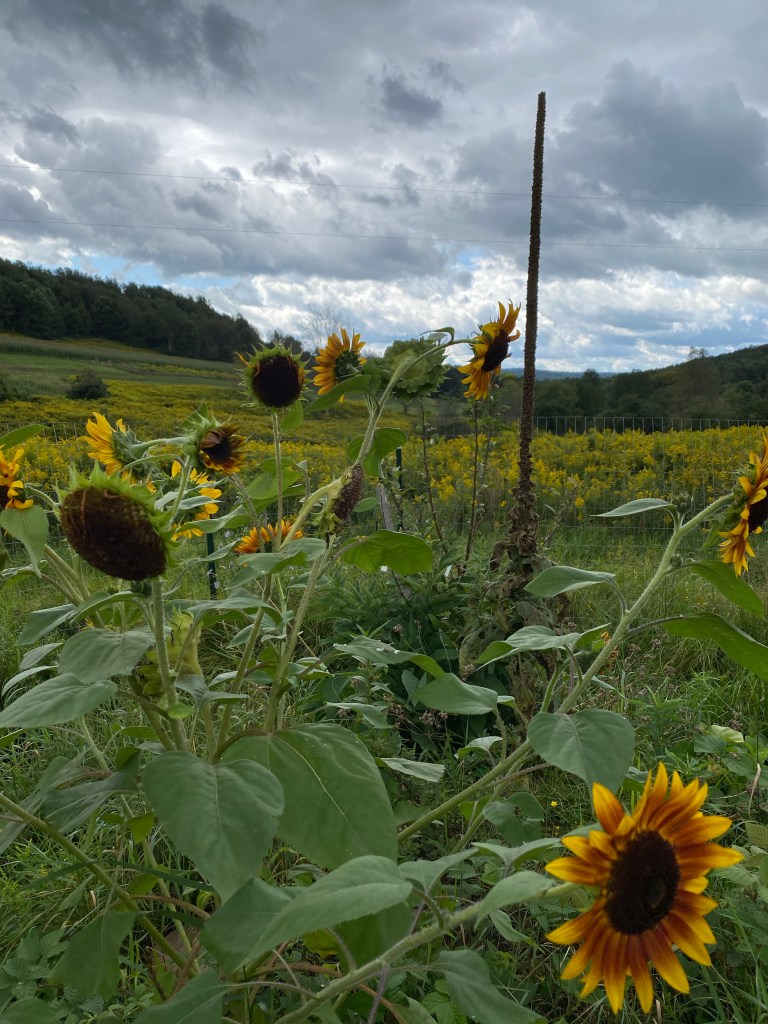
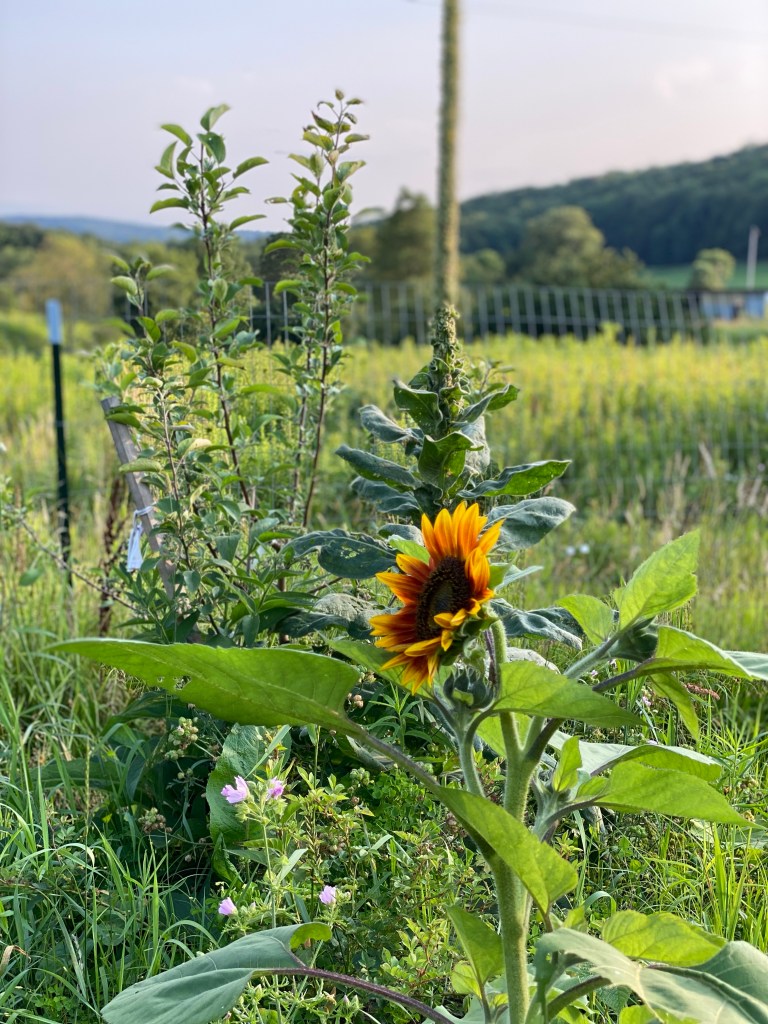
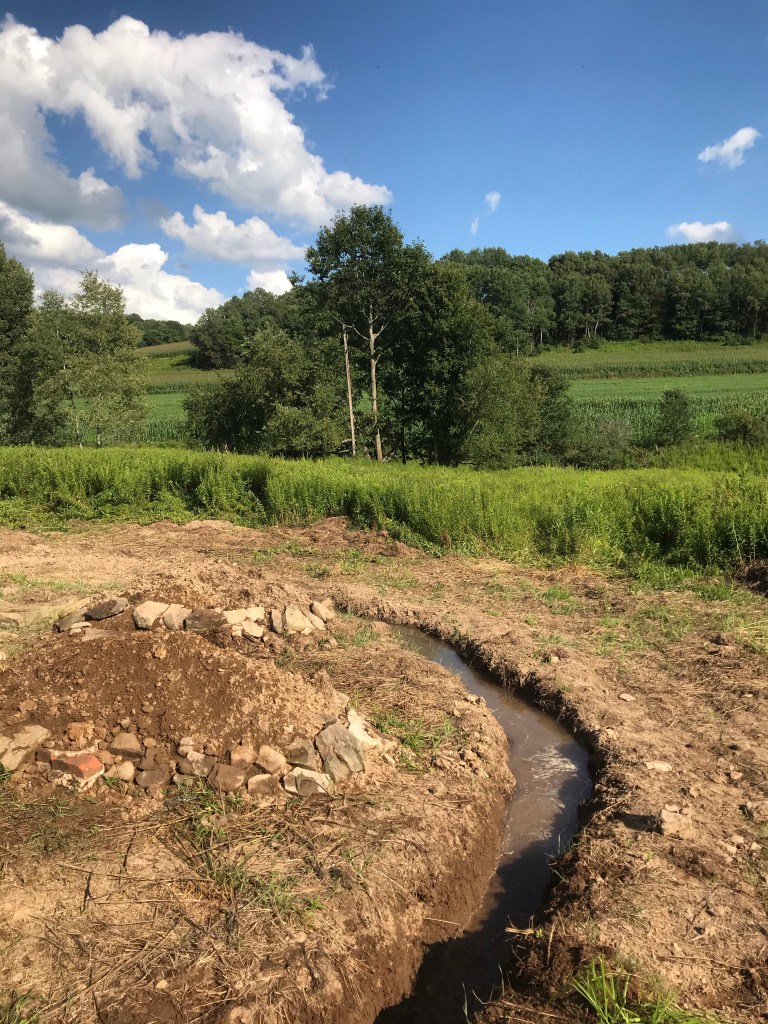
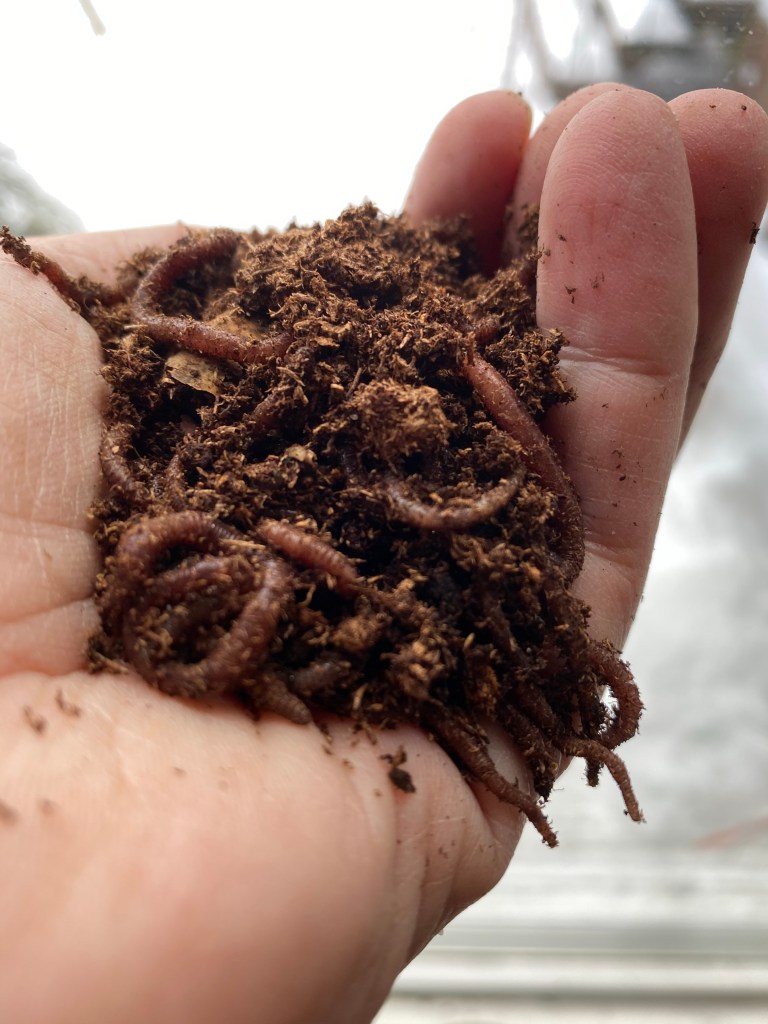
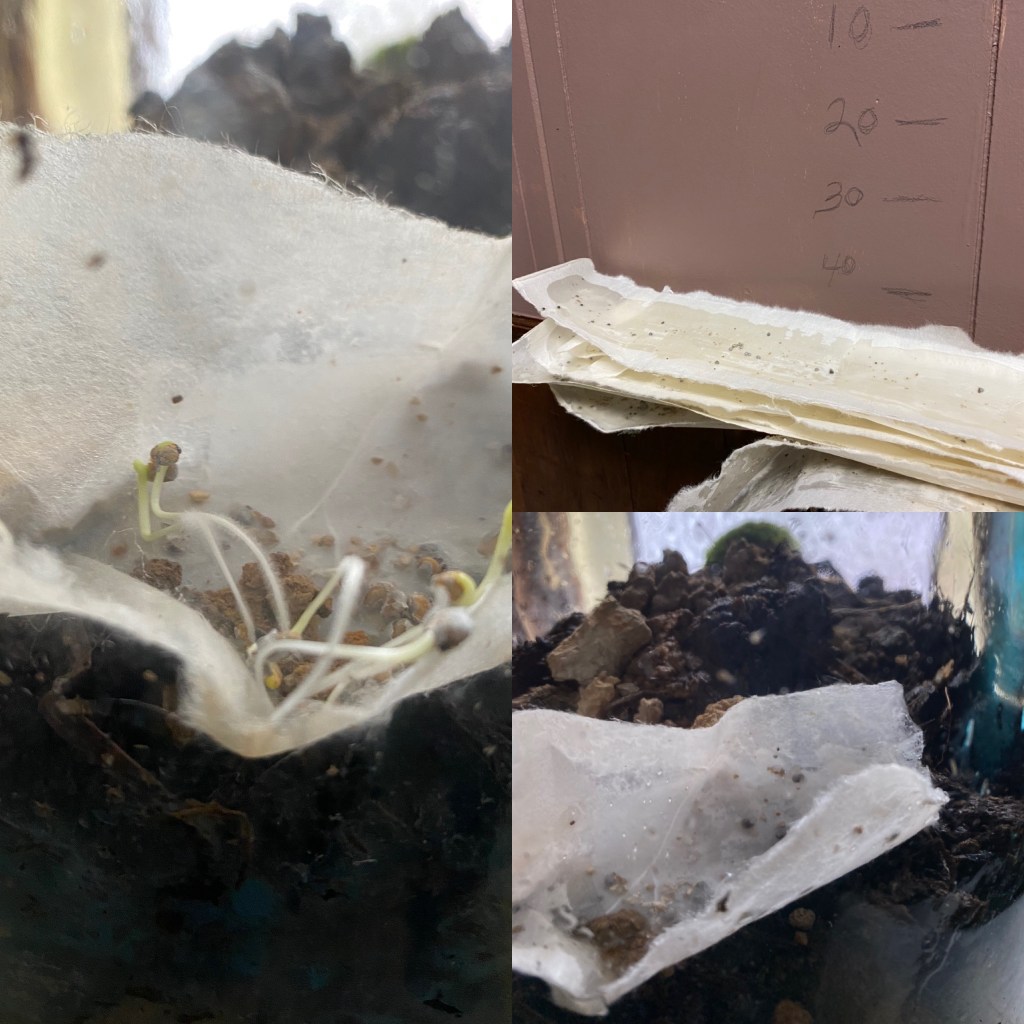
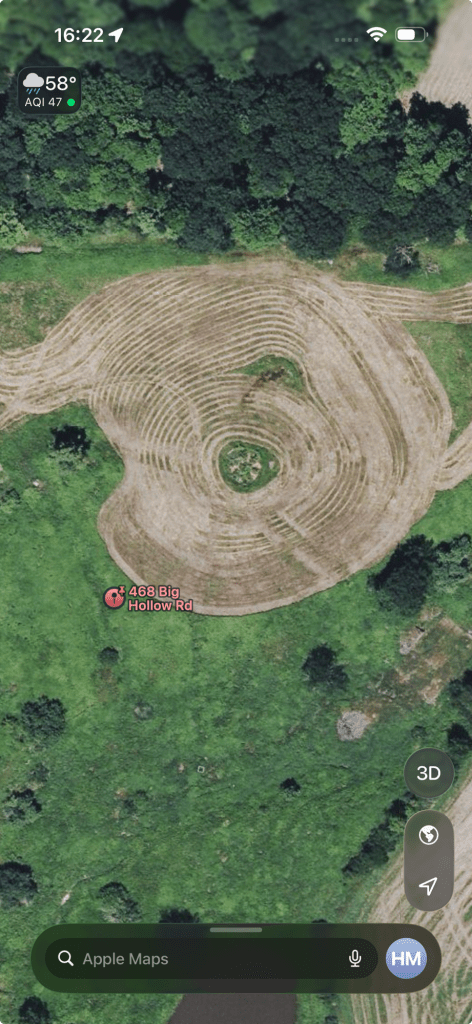
Tenderness for the environment, and oneness with nature is foremost to the entirety of my artist practice. This is especially true of The Orchard Project, in this project, the artist is a participant in the co-creation of assembling a living sculpture above and the creating living soil below. The Orchard Project an aesthetic response to needs of a place, a symbiotic relationship with nature, and an act of reclamation of healthy soil. It is a site-specific art installation that promotes multispecies justice, and focuses on soil health.
WORK 02
Healing Soil with Creative Intervention
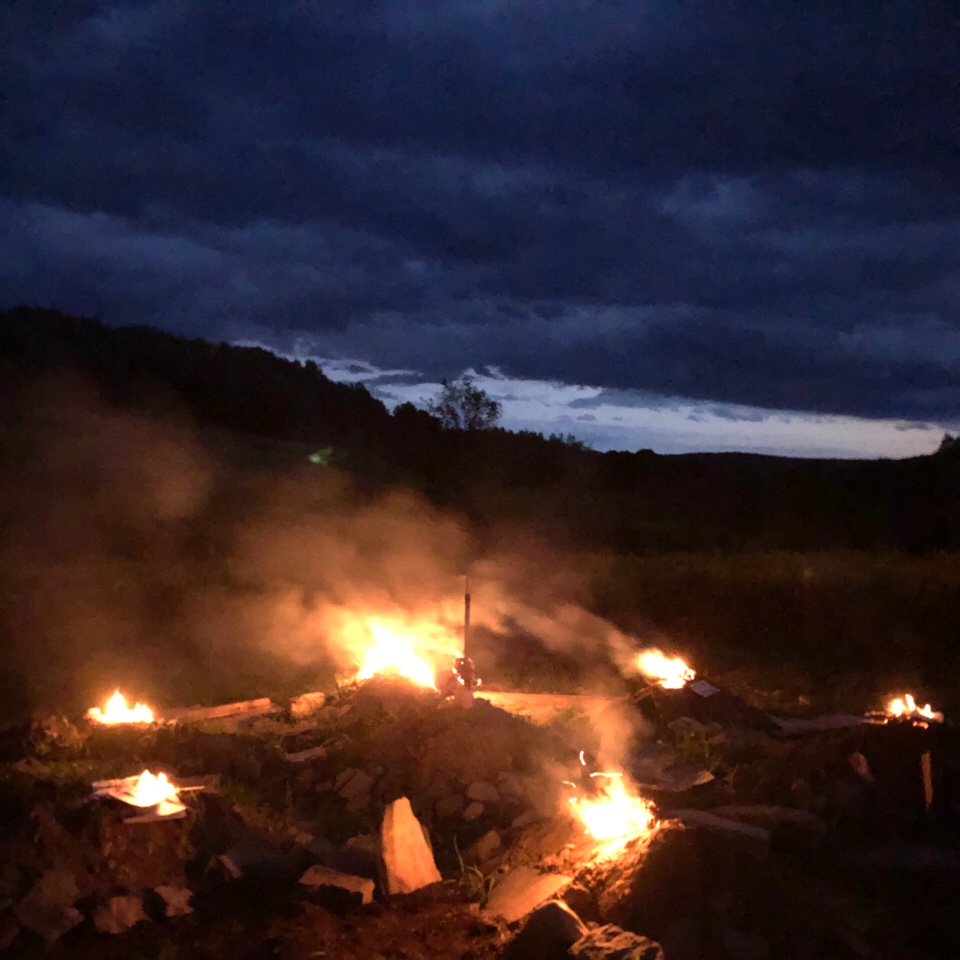
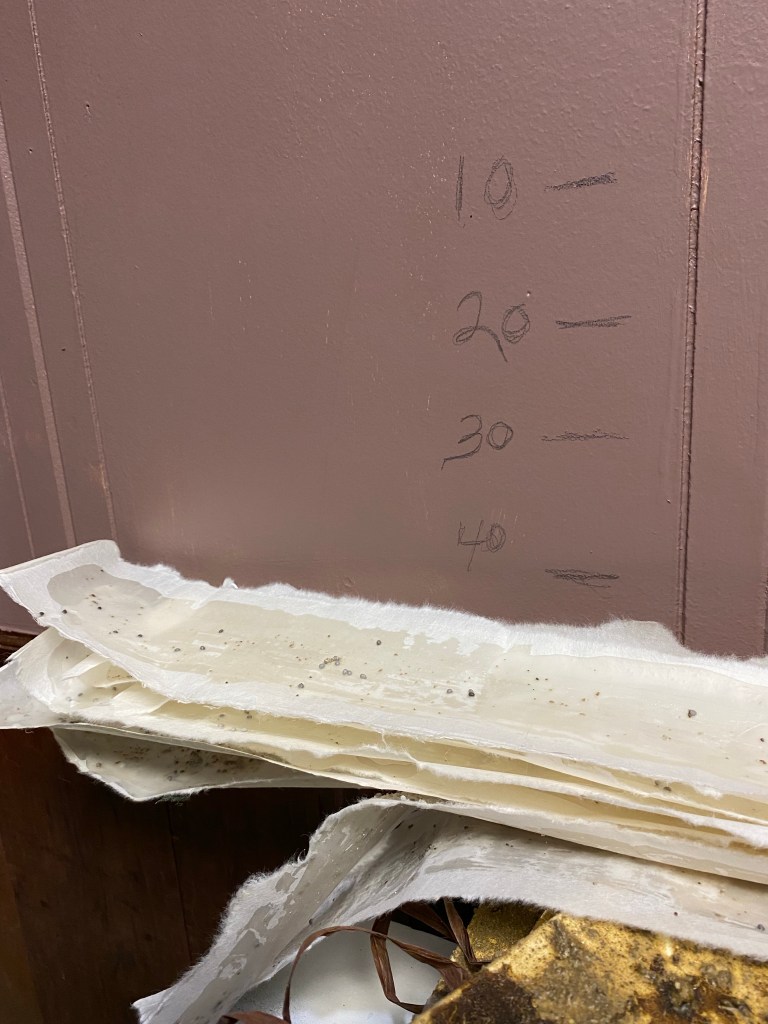
My installation The Orchard Project consists of four interconnected components. The first is the physical installation itself called The Orchard Project. The next is an artist book titled, The Orchard Project Gathering or The Gathering. The final two segments are the participatory sculpture and zine: The Elevated Substrate Bundling “Bundling” and The Artist Zine “Sowing Love and Healing Soil”. All four of these modalities work together to focus on the regenerative qualities of polyculture as a creative strategy to heal the soil.
Principle One
My First Principle – Do No Harm
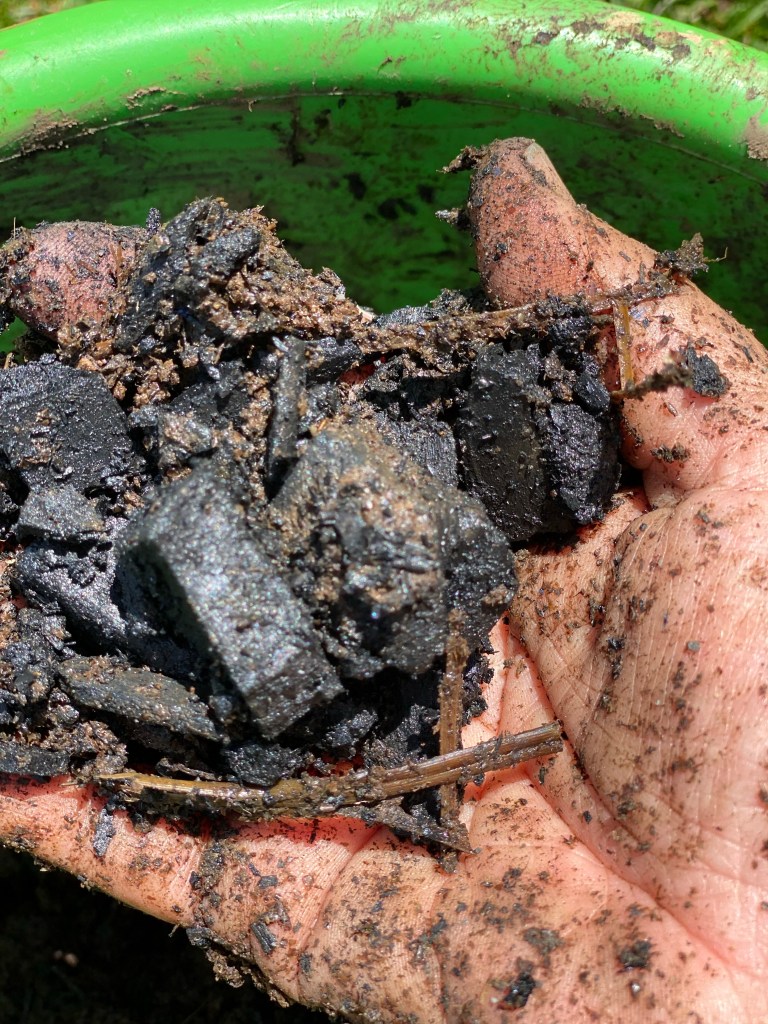
This first principle can be more complicated than it sounds. For instance, when I add ash to the soil, I raise the Ph level which on the one hand heals and at the same time, harms the local insect life. This is an unseen consequence of intervention and I had to maintain a harmonious balance for this first principle to work.
Principle Two
My Second Principle – If you mimic nature, soil will heal itself
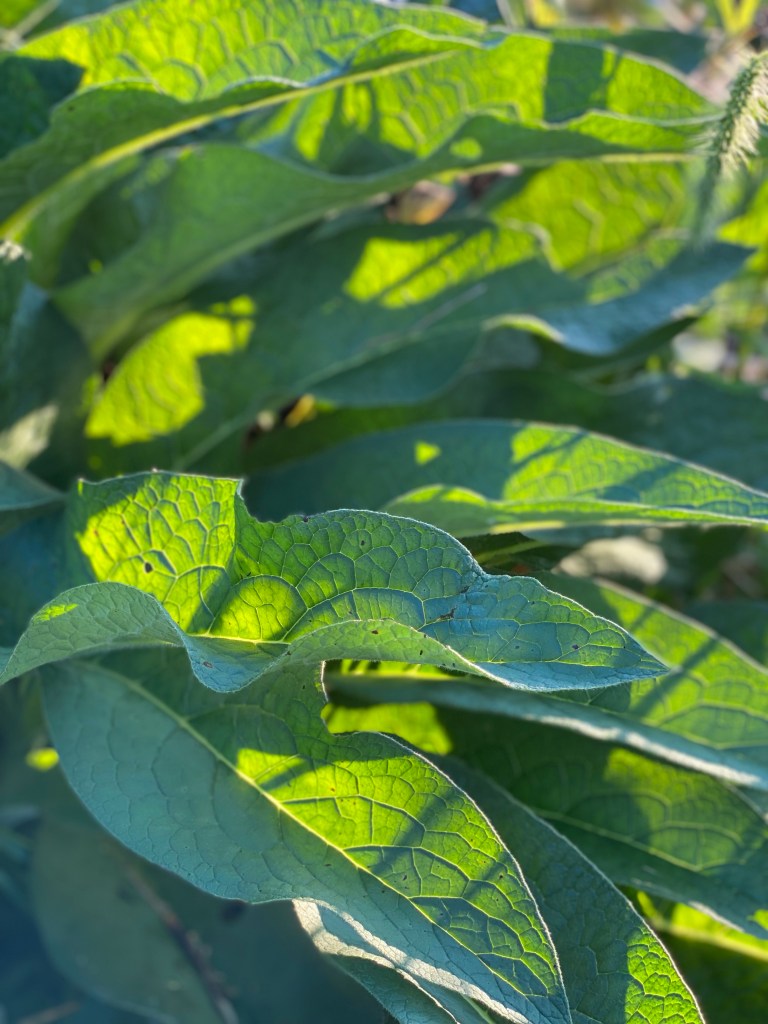
This second principle is a strong example of polyculture. Polyculture utilizes wild space as the true teacher, and respects nature’s own abundant power to heal. This principle requires the participant to be selective and intentional with what materials and companions are introduced to the project. Questioning sourcing, observation, and intent is at the core of this practice and principle. Soil is not dirt. It is a living matter and as the viewer leaves the installation their thoughts cannot help but contemplate and be moved by the truth of nature. Soil is nourishment for the plants in the installation as well as for our souls.
Principle Three
My Third Principle – Lay a light hand on the land
The third principle tells us to be aware that working minimally will create the most benefit. In this practice, the artistic intent is to be gentle, and to embrace the philosophy of less is more in order to promote a cherishing of the soil with tenderness and endearments; to hold dear what is most vulnerable in our environment.
Principle Four
My Fourth Principle – My grandfather’s words of wisdom
The fourth principle is inspired by a lesson I learned from my grandfather long ago. He taught me that life is so fruitful that abundance should be shared and to take only what I need. He also taught me that when working with nature must leave a seed behind or next year there will be none. You want to share with your cospecies and allow those natural systems to rejuvenate and participate in the cycle. He also stressed the importance of gratitude for what is given. Reciprocity for that gift is a defining mantra of The Orchard Project practice.
Ecovention
Sue Spaid coined the term Ecovention which emphasizes a need for artists to shine a light on the problems of soil as an artistic intervention
Spaid, Sue. Ecovention Current Art to Transform Ecologies. Contemporary Arts Center, 2002.
“Coined in 1999, the term ecovention (ecology + invention) describes an artist-initiated project that employs an inventive strategy to physically transform a local ecology.” This category of reclamation and restoration aesthetics sets the stage and provides an artist lineage for the installation project. The Orchard Project is an ongoing living sculpture that heals soil by interventions both above and below ground.
Eco-Materialism
Linda Weintraub coined the term Eco-Materialism. Eco-materialism is where the artist is a participant in the development of ecological procedures and recognizes the importance of both human and non-human participants.
“It is difficult to motivate behavioral changes among people who have abandoned hope of redemption.” This quote is reflecting my own philosophy of persuasive art activism. The concept affirms that people need to cherish something to care and be a caregiver to it. The underbelly of our world is soil, and we need to protect it as an extension of our own bodies from the stresses of modern disregard.
Awareness has the power to promote change. Often though, awareness itself is not enough. Instead, the public needs to be emotionally tethered to the land to change its relationship with it. ecological artists and writers like myself deem the pursuit of art driven ecological practices and interventions a positive artist practice. Through The Orchard Project, I am asking even more than intervention and awareness of materiality. I am asking for the cherishing of soil. The addition of creative artworks, interventions, inventions, and participating in the creation by artist, co-species and art public is just the beginning of loving and tending the soil deserves.

Please register your site below and I will share any updates and events.


 Tammy Skiver Maxson